Does direct mail still work? Or does it just work differently…
It’s a fair question.
With so much of our marketing now happening online — emails, social media, websites — it’s easy to assume that print has quietly slipped into the background. But from what we’ve seen, that’s not really the case. If anything, direct mail has become more effective, simply because it’s used less often and, when done well, it feels more considered.
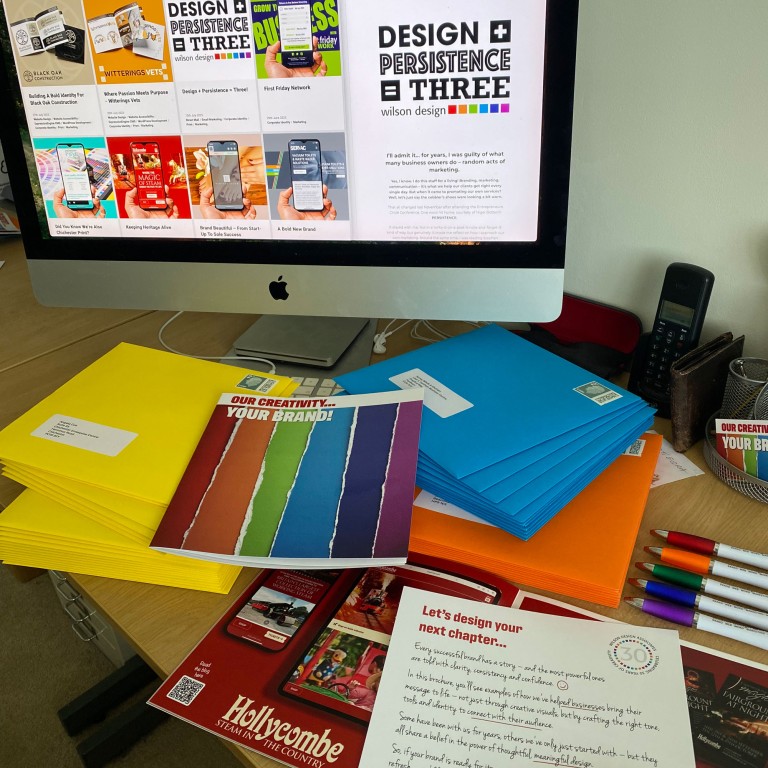
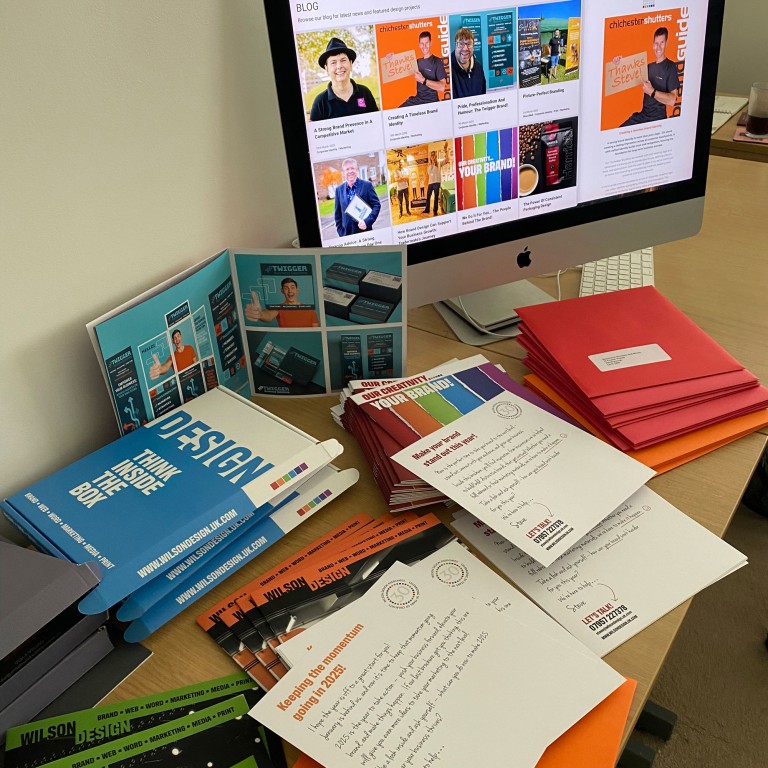
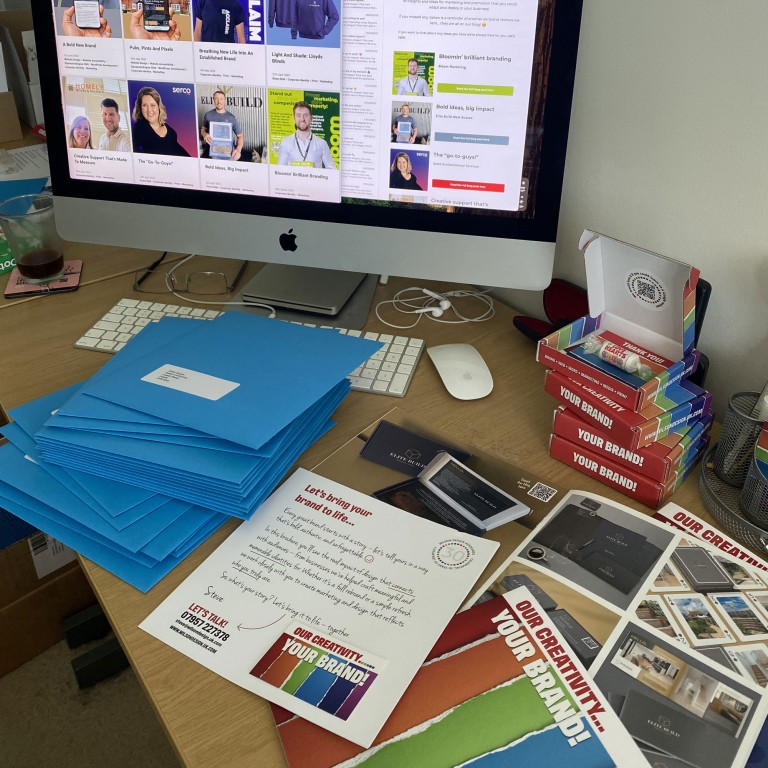
Over the last couple of years, we’ve made a point of using it ourselves. Not as part of a big, orchestrated campaign, but through smaller, more personal pieces sent to people we already know — past clients, current clients, and those we’ve connected with over time. The intention hasn’t been to sell anything. In fact, that’s probably been the most important part of it.
One example came from a simple Valentine’s idea. We sent out a short letter along with a pre-stamped postcard, asking for testimonials and feedback. It was framed as a way of “showing a bit of love” rather than asking for anything in return. The whole thing cost less than £200 to print and send.
Within a week, we had received a number of Google reviews, several written testimonials and, perhaps more interestingly, a handful of new project enquiries. We also found ourselves quoting for a larger piece of work that hadn’t been expected at all. None of that was the objective going in, but it’s a good example of what can happen when you simply remind people that you’re there.
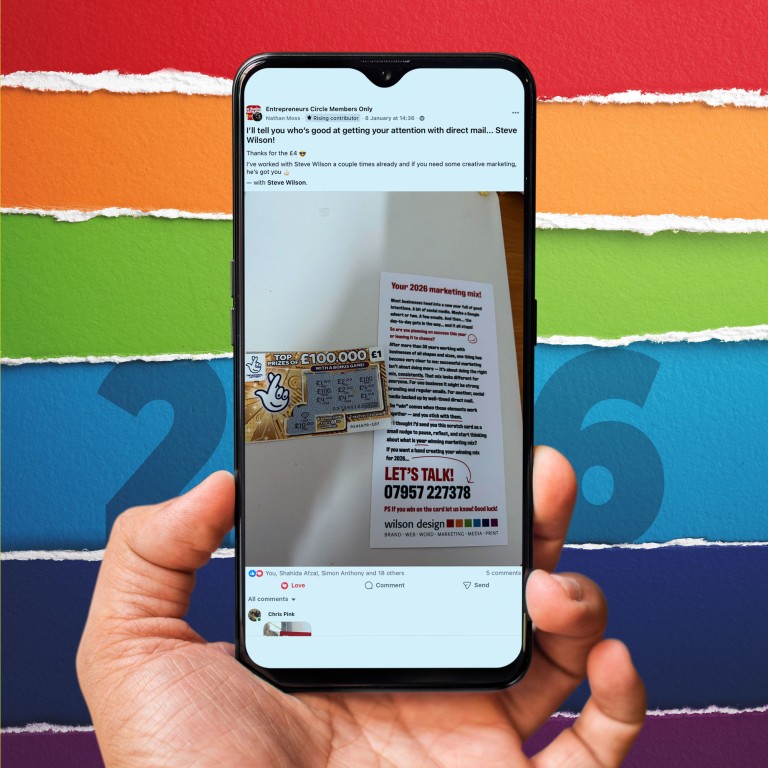
A similar approach sat behind a scratch card campaign we sent out at the start of the year. It wasn’t designed to push a particular service or offer. It was just something a little different — something that would land on a desk, get picked up and engaged with. The feedback was immediate. People mentioned it, shared pictures of it on social media and, importantly, remembered it. That in itself was enough.
What these pieces have in common is that they don’t disappear. An email might get opened and then buried within minutes, but a physical item tends to stick around. It sits on a desk, gets noticed again and becomes part of the working environment rather than a fleeting interruption.
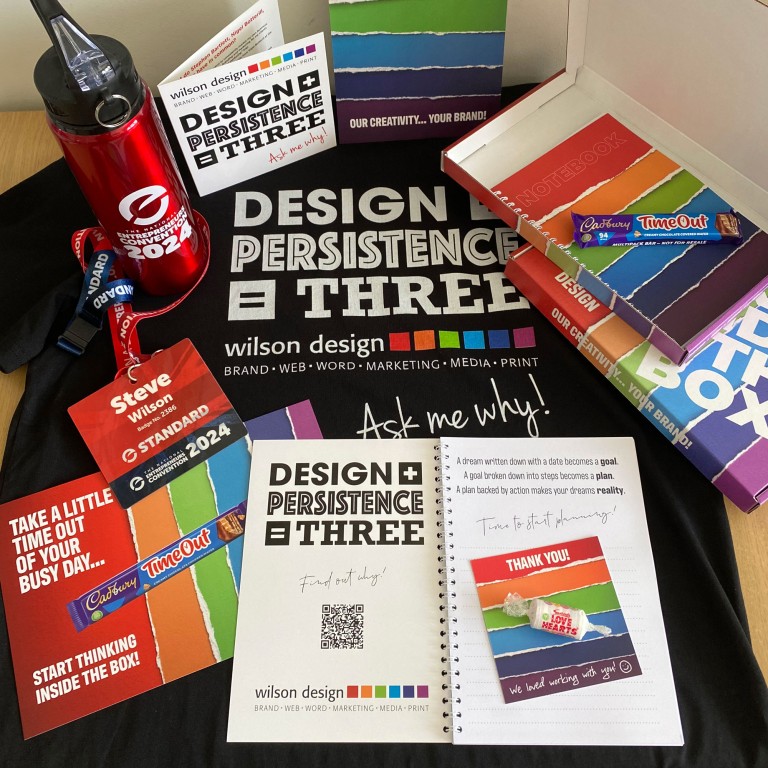
We’ve seen that play out in different ways. A simple box of sweets sent with a short message created conversations and prompted responses, not because it was complex, but because it felt thoughtful. In some cases, clients even asked us to create similar campaigns for their own businesses.
The same applies to more practical items. A notebook and pen set we sent out is still being used regularly by some clients, with one describing it as “omnipresent” on their desk while they’re working. That kind of ongoing visibility is difficult to achieve through digital channels alone.
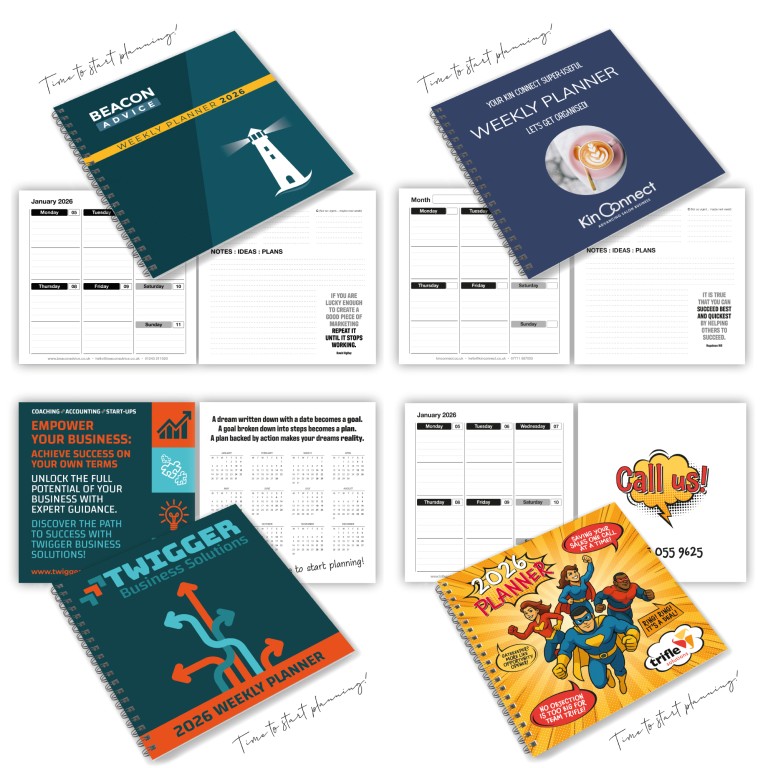
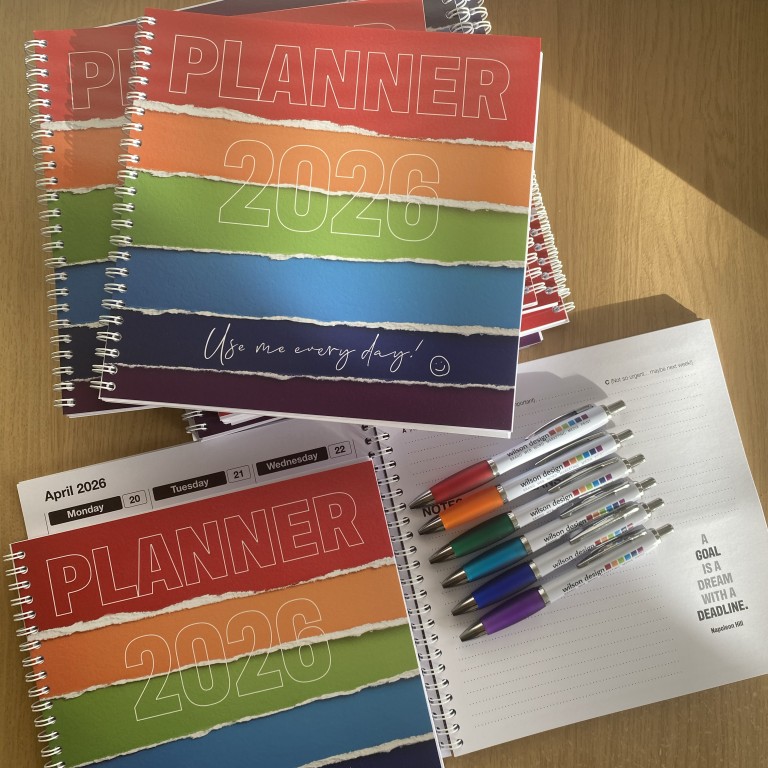
Perhaps the clearest example of this are the planners we’ve produced. They’re straightforward, well-designed weekly planners intended to be used throughout the year. There’s no sales message attached to them. They simply do a job. But because they’re used week after week, they create a steady, consistent presence that keeps your name in front of someone without needing to ask for attention.
None of this replaces what we do online. We still write blogs, send emails, post on social media and develop websites. Those channels all have their place. What direct mail adds is something more tangible. It changes how your message is received because it asks for a different kind of attention.
What we’ve learned through all of this is fairly simple. You don’t need to push hard or try to sell at every opportunity. Often, it’s enough to show up in a considered way, with something that feels useful, relevant or simply well thought through.
When you do that consistently, people remember you. And when the time comes that they need what you offer, you’re already front of mind.
If you have a list, it’s worth using it... Let's talk!